Hippophae salicifolia
Willow-leaved Sea Buckthorn
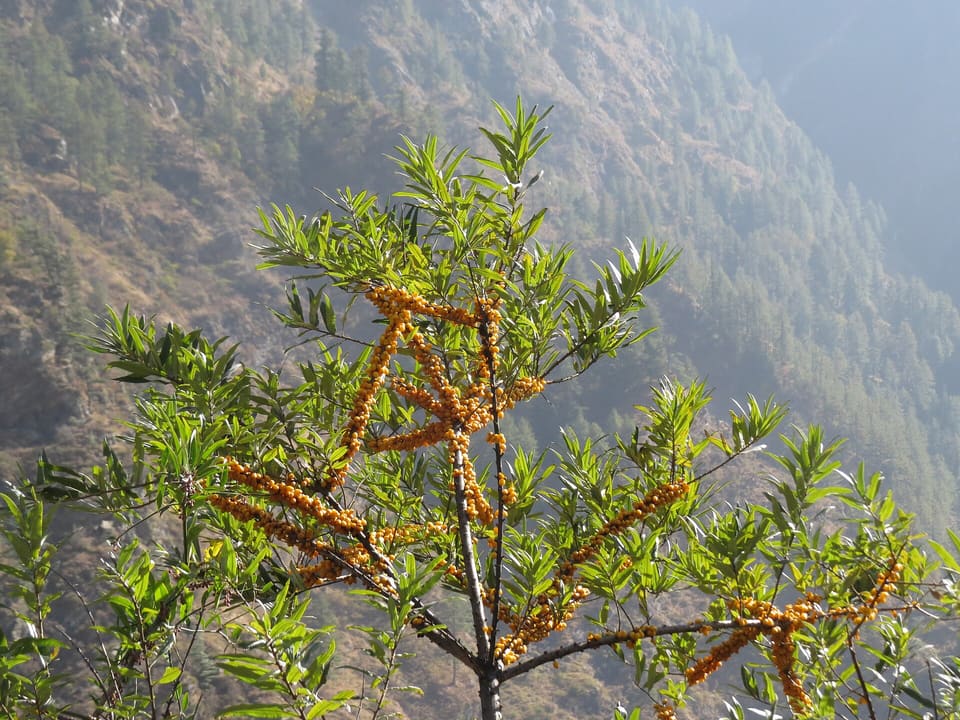

About the plant
What it is and where it grows — not part of any germination protocol.
- Habit
- shrub or treePlants of the World Online
- Native range
- East Himalaya, Nepal, Tibet, West HimalayaGBIF Backbone Taxonomy
Toxicity is noted only where a source states it. No note here is not a finding of safety.
Sources: Plants of the World Online — Royal Botanic Gardens, Kew; GBIF Backbone Taxonomy — Global Biodiversity Information Facility.
Worth knowing
- Hippophae comes from the Greek for "horse" and "light", because sea buckthorn leaves were fed to horses to make their coats shine. The sour fruit of this Himalayan species is edible, softening and losing acidity as winter goes on, and is made into jam. Wikipedia: Hippophae salicifolia
Protocol
DerivedN. C. Deno, 1993Difficulty Moderate
Cold moist stratification
Duration: 90 daysTemperature: 40°F 4°C
40 germinated in this phase.
Warm moist stratification
Duration: 90 daysTemperature: 70°F 21°C
about 3 months from start to step 2. Germination happens during step 2, in 6 days.
60% germination in 6 days.
How each step is done, in Deno’s words, and what Verified and Derived mean.
Germination trials
Readers’ own records of sowing this species, published after review. Share your trial · All trials
No trials shared for this species yet.