Misopates orontium
Linearleaf Snapdragon · Weasel's-snout · Corn Snapdragon
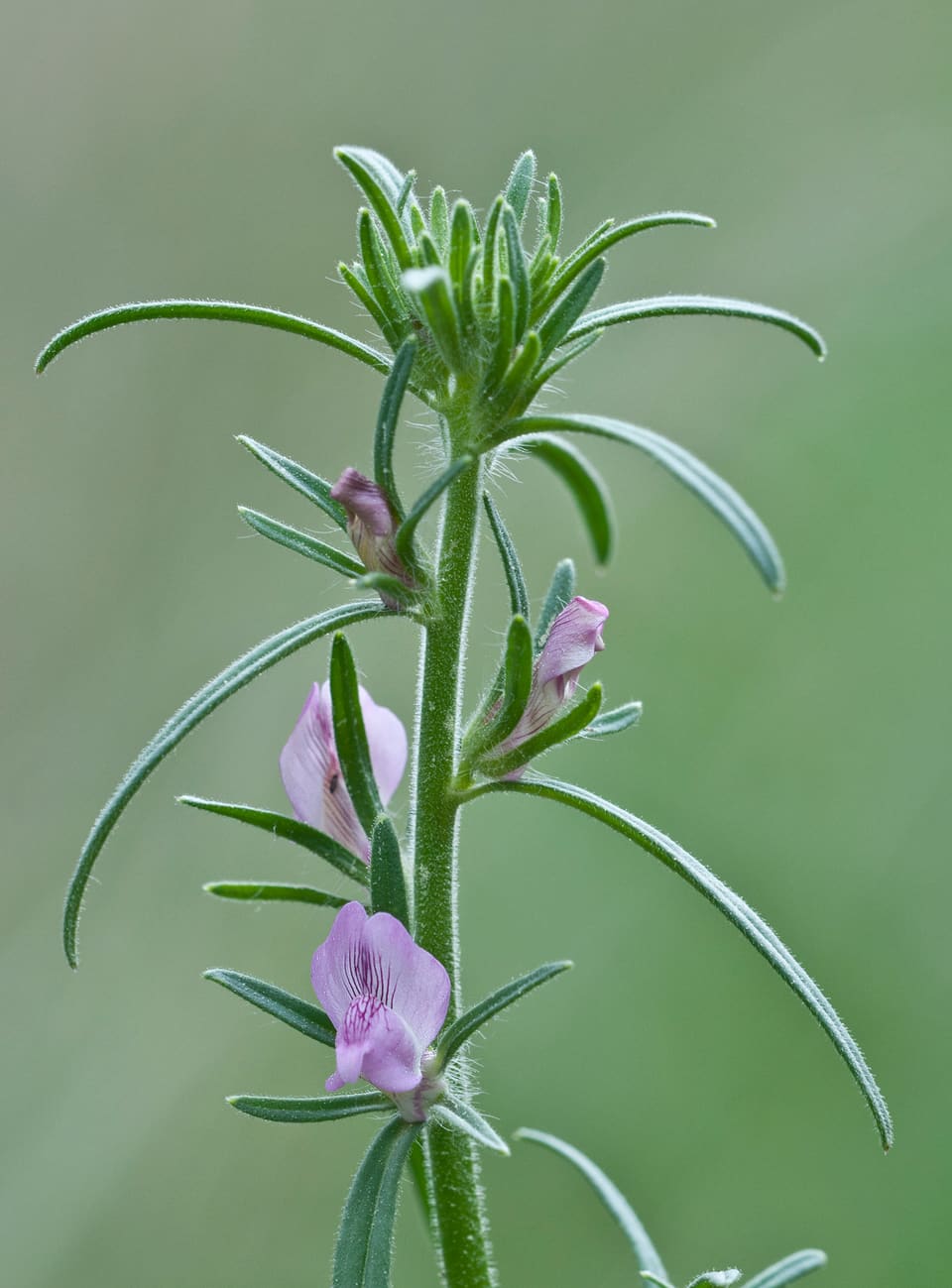

About the plant
What it is and where it grows — not part of any germination protocol.
The plant
- Habit
- AnnualExtension Gardener Plant Toolbox
- Habit
- annualPlants of the World Online
- Flower
- Blue, Pink, Purple/Lavender, Red/BurgundyExtension Gardener Plant Toolbox
- Blooms
- SpringExtension Gardener Plant Toolbox
- Native range
- Afghanistan, Albania, Algeria, Austria, Azores, Baleares and elsewhereGBIF Backbone Taxonomy
- Hardiness zones
- 3-6Extension Gardener Plant Toolbox
Growing conditions
- Sun
- Full sun; Partial ShadeExtension Gardener Plant Toolbox
- Soil
- Clay, Sand, Shallow RockyExtension Gardener Plant Toolbox
- Soil pH
- Acid (<6.0), Neutral (6.0-8.0)Extension Gardener Plant Toolbox
- Moisture
- Good Drainage, MoistExtension Gardener Plant Toolbox
Toxicity is noted only where a source states it. No note here is not a finding of safety.
Sources: Extension Gardener Plant Toolbox — NC State Extension; Plants of the World Online — Royal Botanic Gardens, Kew; GBIF Backbone Taxonomy — Global Biodiversity Information Facility.
Worth knowing
- Weasel's snout has pink flowers like a miniature snapdragon, followed by a hairy green fruit said to look like a weasel's snout. It is also called calf's snout and lesser snapdragon. Wikipedia: Misopates orontium
This source reports two treatments. Both are shown.
Protocol 1
DerivedN. C. Deno, 1998Difficulty Low
Start around March 27, 2027 for a May 3 last frost.
Sow and cover
Temperature: 70°F 21°C Light: light
No stated waiting before sowing. Then 9 days to germinate.
100% germination in 5–9 days.
Protocol 2
DerivedN. C. Deno, 1998Difficulty High
Start around March 31, 2027 for a May 3 last frost.
Sow and cover
Temperature: 70°F 21°C Light: dark
No stated waiting before sowing. Then 5 days to germinate.
23% germination in 3–5 days.
How each step is done, in Deno’s words, and what Verified and Derived mean.
Germination trials
Readers’ own records of sowing this species, published after review. Share your trial · All trials
No trials shared for this species yet.