Rivina humilis
Baby Pepper · Coral-berry · Jumbi Pepper · Rougeplant
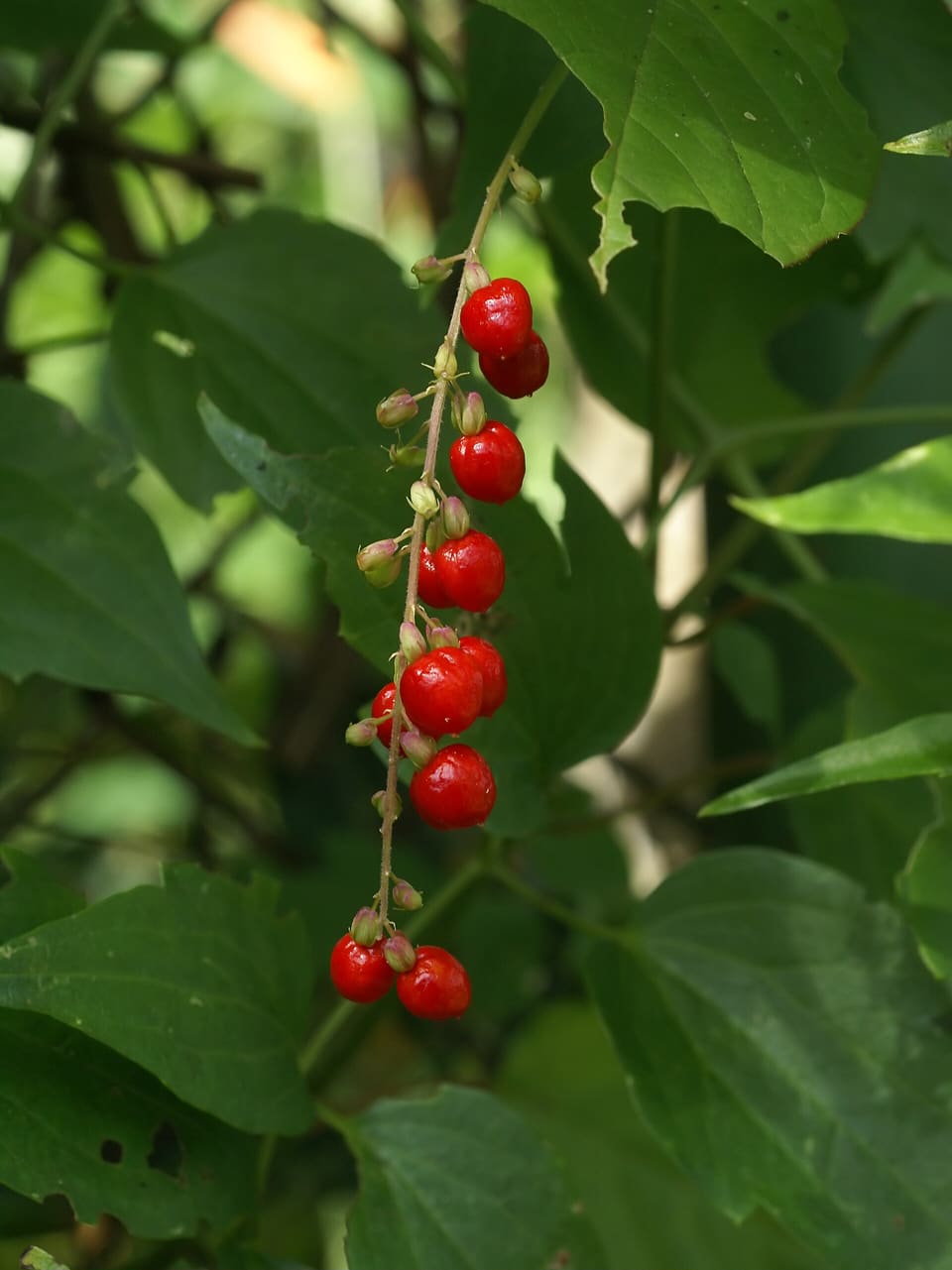

About the plant
What it is and where it grows — not part of any germination protocol.
- Habit
- subshrubPlants of the World Online
- Habit
- Perennial, Forb/herb, ShrubPLANTS Database
- Flower
- White, green, pink, purplishFlora of North America
- Native range
- Argentina Northeast, Argentina Northwest, Arizona, Arkansas, Aruba, Bahamas and elsewhereGBIF Backbone Taxonomy
Toxicity is noted only where a source states it. No note here is not a finding of safety.
Sources: Plants of the World Online — Royal Botanic Gardens, Kew; PLANTS Database — USDA NRCS; Flora of North America — Flora of North America Editorial Committee; GBIF Backbone Taxonomy — Global Biodiversity Information Facility.
Worth knowing
- It flowers and fruits at once, pale pink above and scarlet below. The red berries were used as cosmetics, hence rouge plant; they are toxic to eat. Lady Bird Johnson Wildflower Center: Rivina humilis
This source reports two treatments. Both are shown.
Protocol 1
DerivedN. C. Deno, 1998Difficulty Low
Start around March 23, 2027 for a May 3 last frost. Too late for spring 2027 — that needed starting on March 22, 2024.
Dry storage
Duration: 1095 daysTemperature: 70°F 21°C
Sow and cover
Temperature: 70°F 21°C Light: light
about 3 years from start to sowing. Then 14 days to germinate.
80% germination in 14 days.
Protocol 2
DerivedN. C. Deno, 1998Difficulty Moderate
Start around March 23, 2027 for a May 3 last frost. Too late for spring 2027 — that needed starting on March 22, 2024.
Dry storage
Duration: 1095 daysTemperature: 70°F 21°C
Sow and cover
Temperature: 70°F 21°C Light: dark
about 3 years from start to sowing. Then 14 days to germinate.
44% germination in 14 days.
How each step is done, in Deno’s words, and what Verified and Derived mean.
Germination trials
Readers’ own records of sowing this species, published after review. Share your trial · All trials
No trials shared for this species yet.