Sisyrinchium campestre
Prairie Blue-eyed Grass
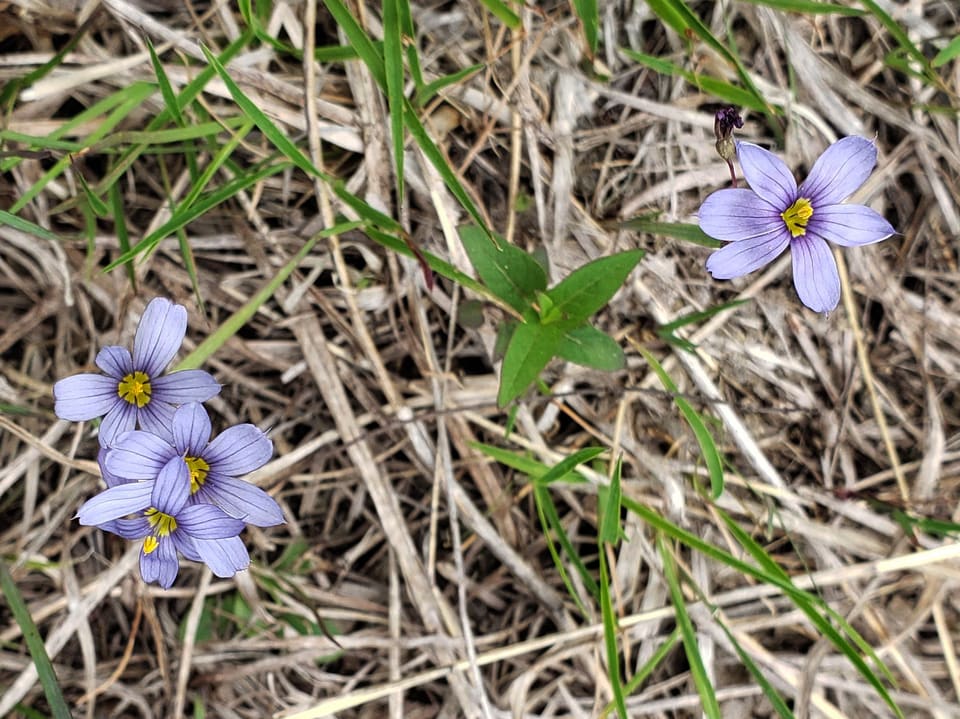
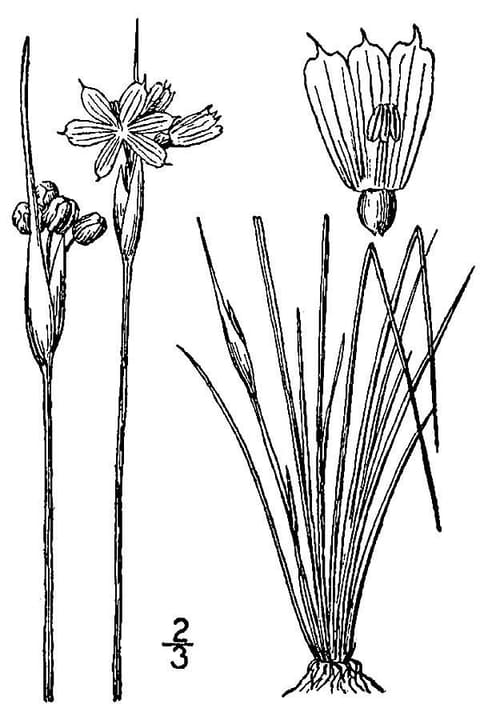

About the plant
What it is and where it grows — not part of any germination protocol.
- Habit
- perennialPlants of the World Online
- Habit
- Perennial, Forb/herbPLANTS Database
- Flower
- White, pale blueFlora of North America
- Native range
- Canada, lower 48 statesPLANTS Database
Toxicity is noted only where a source states it. No note here is not a finding of safety.
Sources: Plants of the World Online — Royal Botanic Gardens, Kew; PLANTS Database — USDA NRCS; Flora of North America — Flora of North America Editorial Committee.
Worth knowing
- Prairie blue-eyed grass, of the central United States, is one of the more drought-tolerant species in its genus. It flowers for about three weeks in late spring and early summer. Wikipedia: Sisyrinchium campestre
This source reports two treatments. Both are shown.
Protocol 1
DerivedN. C. Deno, 1993Difficulty High
Sow around December 2026 — a date the source gives, not one counted back from a May 3 last frost.
Dry storage
Duration: 180 daysTemperature: 70°F 21°C
Sow outdoors and leave it
Sown outdoors in December.
about 6 months from start to sowing. Germination time not stated; 21 days assumed.
26% germination.
Protocol 2
DerivedN. C. Deno, 1993Difficulty High
Sow around June 2027 — a date the source gives, not one counted back from a May 3 last frost. Too late for spring 2027 — that needed starting on June 2026.
Sow outdoors and leave it
Sown outdoors in June; up in April.
No stated waiting before sowing. Germination time not stated; 21 days assumed.
10% germination.
How each step is done, in Deno’s words, and what Verified and Derived mean.
Germination trials
Readers’ own records of sowing this species, published after review. Share your trial · All trials
No trials shared for this species yet.