Eubotrys racemosa
Swamp Sweetbells · Coastal Fetterbush · Fetterbush
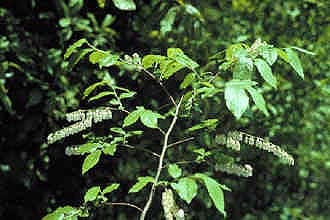

About the plant
What it is and where it grows — not part of any germination protocol.
The plant
- Habit
- Perennial, ShrubExtension Gardener Plant Toolbox
- Height
- 4-6 ft1.2-1.8 mExtension Gardener Plant Toolbox
- Spread
- 4-6 ft1.2-1.8 mExtension Gardener Plant Toolbox
- Flower
- WhiteExtension Gardener Plant Toolbox
- Blooms
- SpringExtension Gardener Plant Toolbox
- Native range
- Alabama, Connecticut, Delaware, District of Columbia, Florida, Georgia and elsewhereGBIF Backbone Taxonomy
- Hardiness zones
- 5-9Extension Gardener Plant Toolbox
Growing conditions
- Sun
- Deep shade; Partial ShadeExtension Gardener Plant Toolbox
- Soil
- Clay, Loam (Silt), SandExtension Gardener Plant Toolbox
- Soil pH
- Acid (<6.0)Extension Gardener Plant Toolbox
- Moisture
- Good Drainage, Moist, Occasionally WetExtension Gardener Plant Toolbox
Toxicity is noted only where a source states it. No note here is not a finding of safety.
Sources: Extension Gardener Plant Toolbox — NC State Extension; GBIF Backbone Taxonomy — Global Biodiversity Information Facility.
Worth knowing
- Fetterbush, also called swamp doghobble and swamp sweetbells, grows along the coastal plain of the eastern United States, from Massachusetts to Florida and Texas. Wikipedia: Eubotrys racemosa
Protocol
DerivedN. C. Deno, 1993Difficulty High
Dry storage
Duration: 180 daysTemperature: 70°F 21°C
Sow and cover
Temperature: 70°F 21°C Light: light
about 6 months from start to sowing. Then 49 days to germinate.
15% germination in 14–49 days.
How each step is done, in Deno’s words, and what Verified and Derived mean.
Germination trials
Readers’ own records of sowing this species, published after review. Share your trial · All trials
No trials shared for this species yet.