Kalmia cuneata
White Wicky
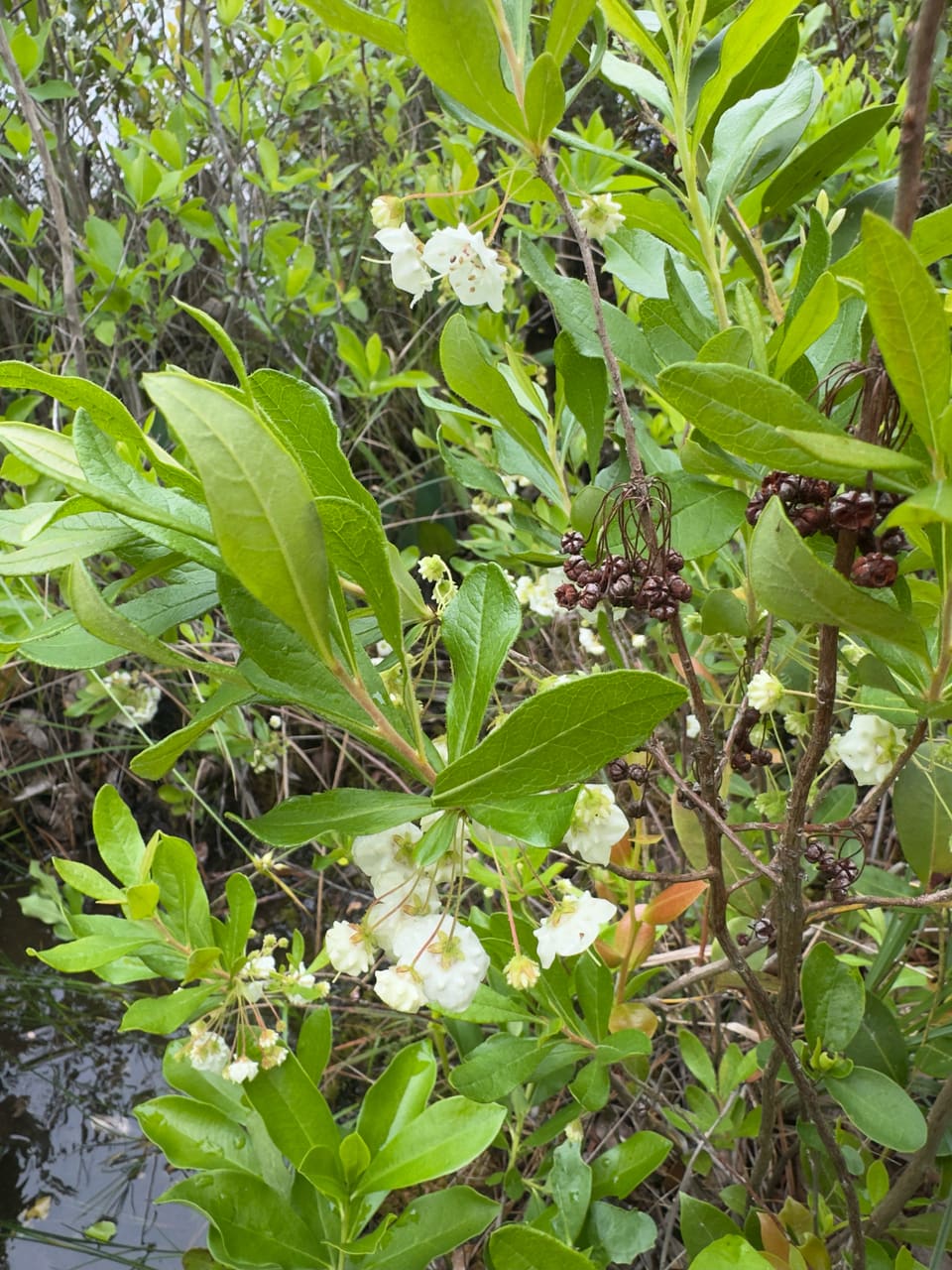
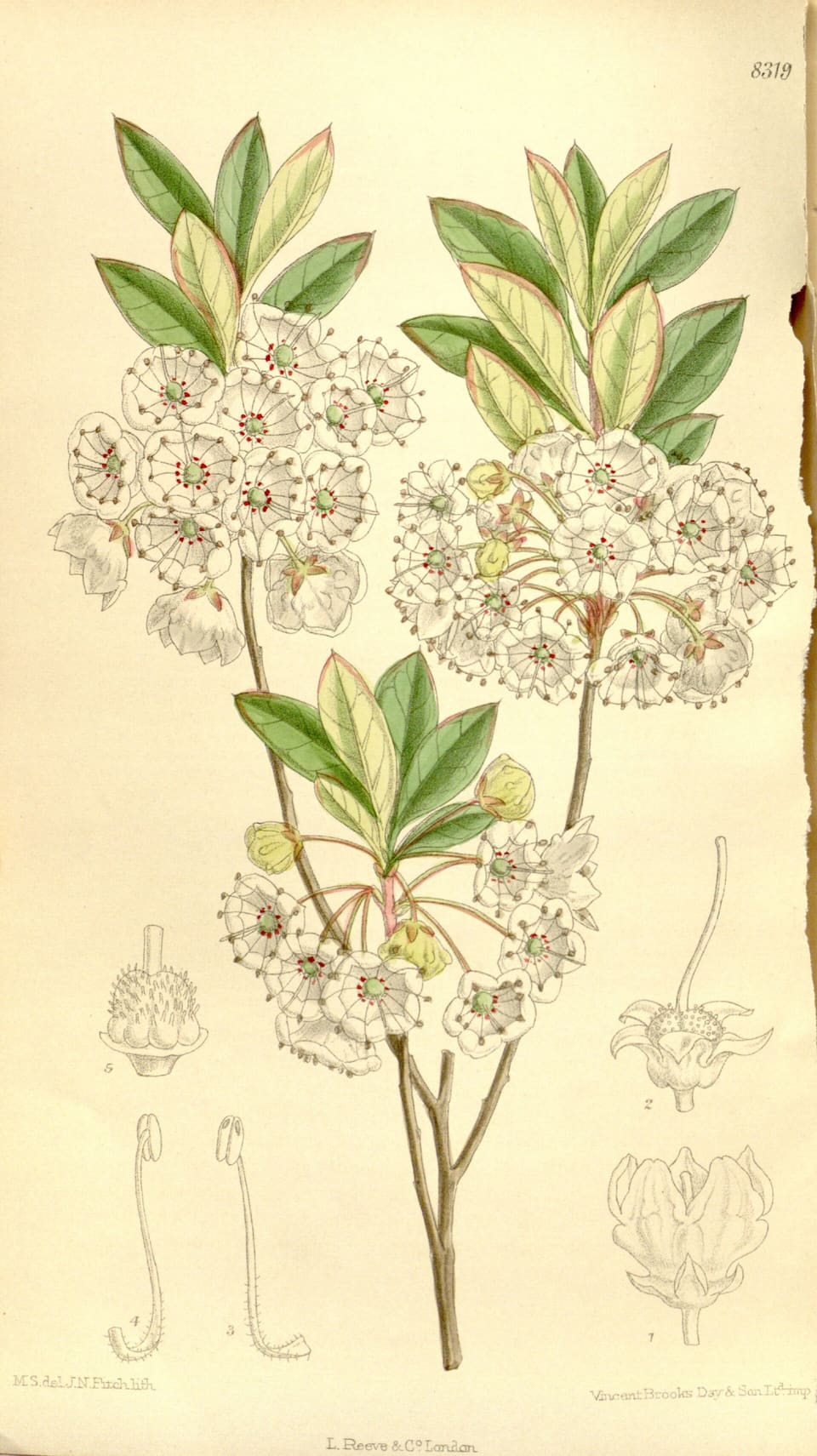

About the plant
What it is and where it grows — not part of any germination protocol.
- Habit
- shrubPlants of the World Online
- Habit
- Perennial, ShrubPLANTS Database
- Flower
- Creamy whiteFlora of North America
- Native range
- North Carolina, South CarolinaGBIF Backbone Taxonomy
Toxicity is noted only where a source states it. No note here is not a finding of safety.
Sources: Plants of the World Online — Royal Botanic Gardens, Kew; PLANTS Database — USDA NRCS; Flora of North America — Flora of North America Editorial Committee; GBIF Backbone Taxonomy — Global Biodiversity Information Facility.
Worth knowing
- Whitewicky grows only in North and South Carolina. It is deciduous, a key feature for identifying it. Wikipedia: Kalmia cuneata
Protocol
DerivedN. C. Deno, 1993Difficulty Low
Separate the seed from its case
Crush the hard capsule so light can reach the seed.
Cold moist stratification
Duration: 56 daysTemperature: 40°F 4°C
Jaynes held eight weeks at 40 to be necessary.
Sow on the surface — do not cover
Temperature: 70°F 21°C Light: light
about 8 weeks from start to sowing.
Jaynes's finding as Deno reports it. No percentage is given for this species.
How each step is done, in Deno’s words, and what Verified and Derived mean.
Germination trials
Readers’ own records of sowing this species, published after review. Share your trial · All trials
No trials shared for this species yet.