Penstemon globosus
Globe Beardtongue · Globe Penstemon
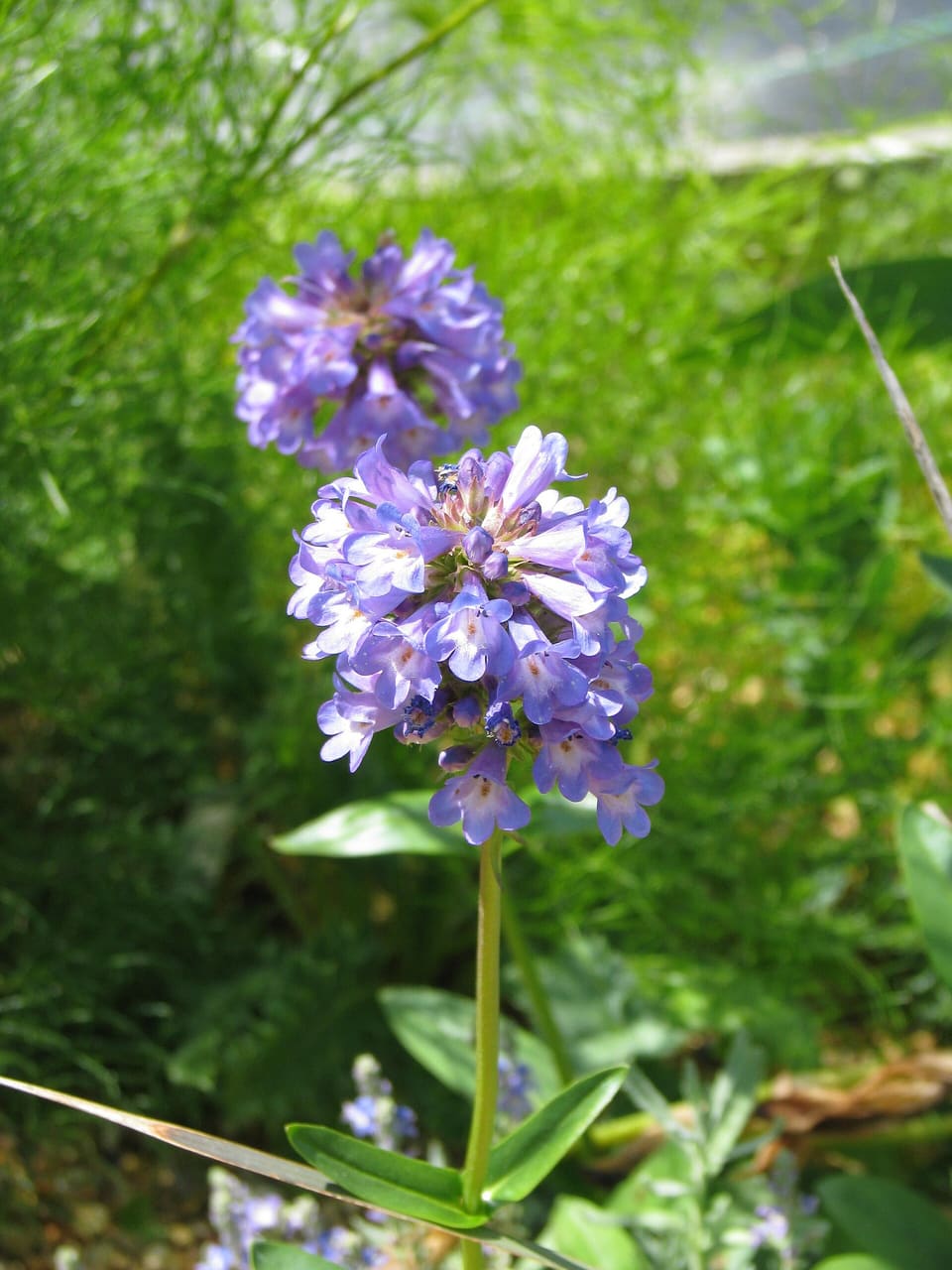

About the plant
What it is and where it grows — not part of any germination protocol.
- Habit
- perennialPlants of the World Online
- Habit
- Perennial, Forb/herb, SubshrubPLANTS Database
- Flower
- Blue, purpleWikipedia
- Native range
- Idaho, Montana, OregonGBIF Backbone Taxonomy
Toxicity is noted only where a source states it. No note here is not a finding of safety.
Sources: Plants of the World Online — Royal Botanic Gardens, Kew; PLANTS Database — USDA NRCS; Wikipedia — Wikipedia contributors; GBIF Backbone Taxonomy — Global Biodiversity Information Facility.
Worth knowing
- Globosus means globe in Botanical Latin, hence globe penstemon. It is native to three northwestern states: Oregon, Idaho and Montana. Wikipedia: Penstemon globosus
Protocol
DerivedN. C. Deno, 1993Difficulty Very high
Sow and cover
Temperature: 70°F 21°C Light: light
No stated waiting before sowing. Then 12 days to germinate.
5% germination in 4–12 days.
How each step is done, in Deno’s words, and what Verified and Derived mean.
Germination trials
Readers’ own records of sowing this species, published after review. Share your trial · All trials
No trials shared for this species yet.