Sambucus canadensis
American Black Elderberry · American Elder · American Elderberry
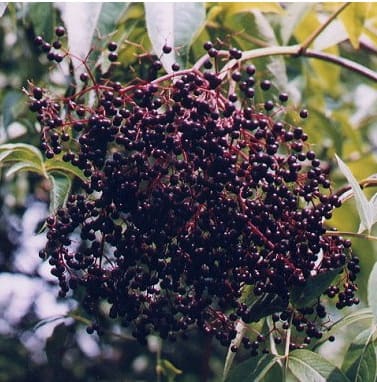

About the plant
What it is and where it grows — not part of any germination protocol.
The plant
- Habit
- Perennial, Shrub, TreeExtension Gardener Plant Toolbox
- Habit
- shrub or treePlants of the World Online
- Height
- 5-12 ft1.5-3.7 mExtension Gardener Plant Toolbox
- Spread
- 6-12 ft1.8-3.7 mExtension Gardener Plant Toolbox
- Flower
- WhiteExtension Gardener Plant Toolbox
- Blooms
- Spring, SummerExtension Gardener Plant Toolbox
- Native range
- Alabama, Arizona, Arkansas, Belize, Bolivia, California and elsewhereGBIF Backbone Taxonomy
- Hardiness zones
- 4-8Extension Gardener Plant Toolbox
Growing conditions
- Sun
- Full sun; Partial ShadeExtension Gardener Plant Toolbox
- Soil
- Clay, High Organic Matter, Loam (Silt), SandExtension Gardener Plant Toolbox
- Soil pH
- Acid (<6.0), Neutral (6.0-8.0)Extension Gardener Plant Toolbox
- Moisture
- Good Drainage, Moist, Occasionally WetExtension Gardener Plant Toolbox
Toxicity is noted only where a source states it. No note here is not a finding of safety.
Sources: Extension Gardener Plant Toolbox — NC State Extension; Plants of the World Online — Royal Botanic Gardens, Kew; GBIF Backbone Taxonomy — Global Biodiversity Information Facility.
Worth knowing
- Sambucus comes from the Greek sambuce, an ancient wind instrument: the pith was removed from the twigs to make whistles. Most of the plant is toxic, but the ripe berries can be cooked once the seeds are removed. Wikipedia: Sambucus canadensis
Protocol
DerivedN. C. Deno, 1996Difficulty Low
Gibberellic acid soak
Sow and cover
Temperature: 70°F 21°C
No stated waiting before sowing. Then 35 days to germinate.
93% germination in 14–35 days.
How each step is done, in Deno’s words, and what Verified and Derived mean.
Germination trials
Readers’ own records of sowing this species, published after review. Share your trial · All trials
No trials shared for this species yet.