+ Add to My Garden
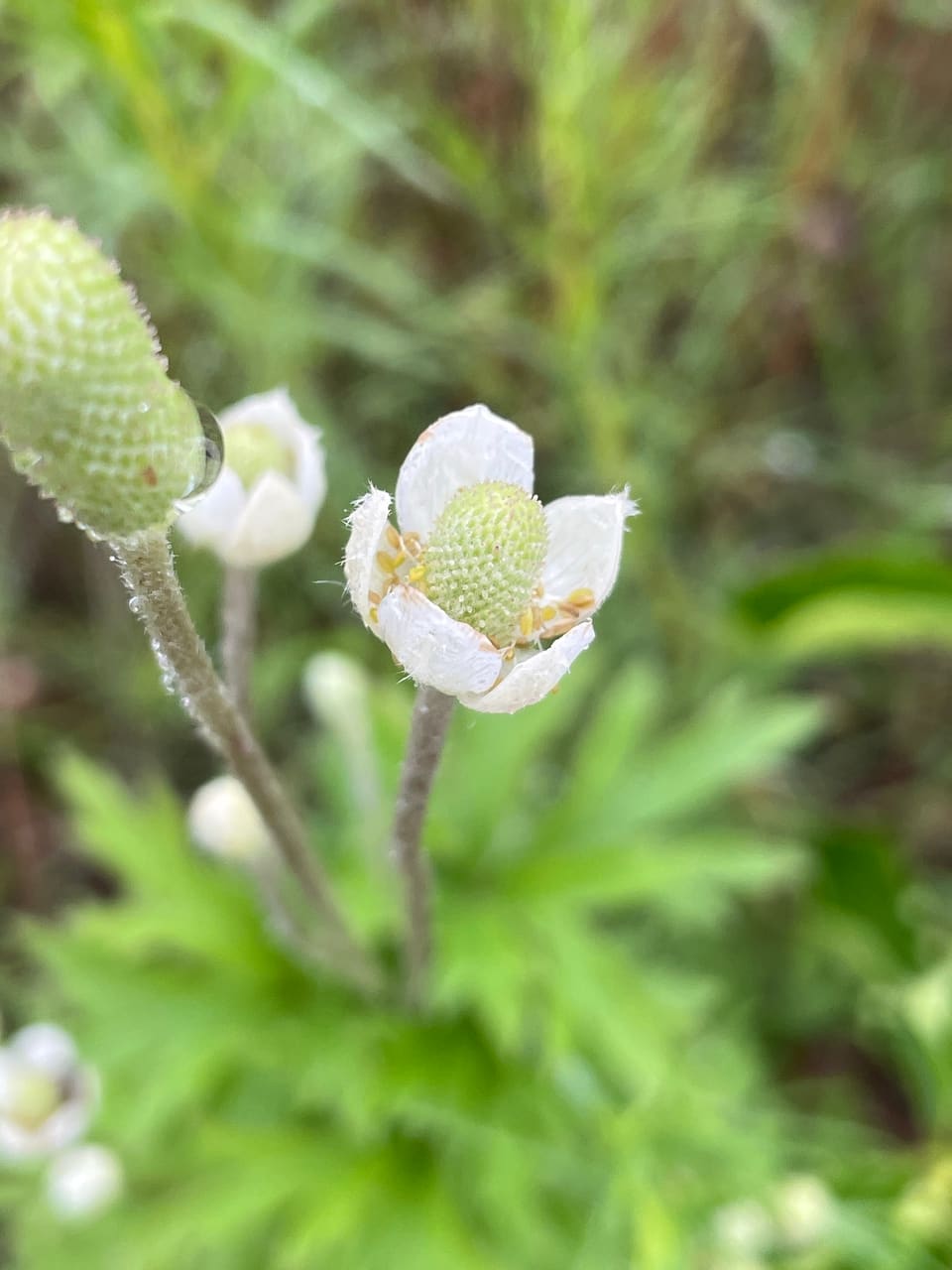
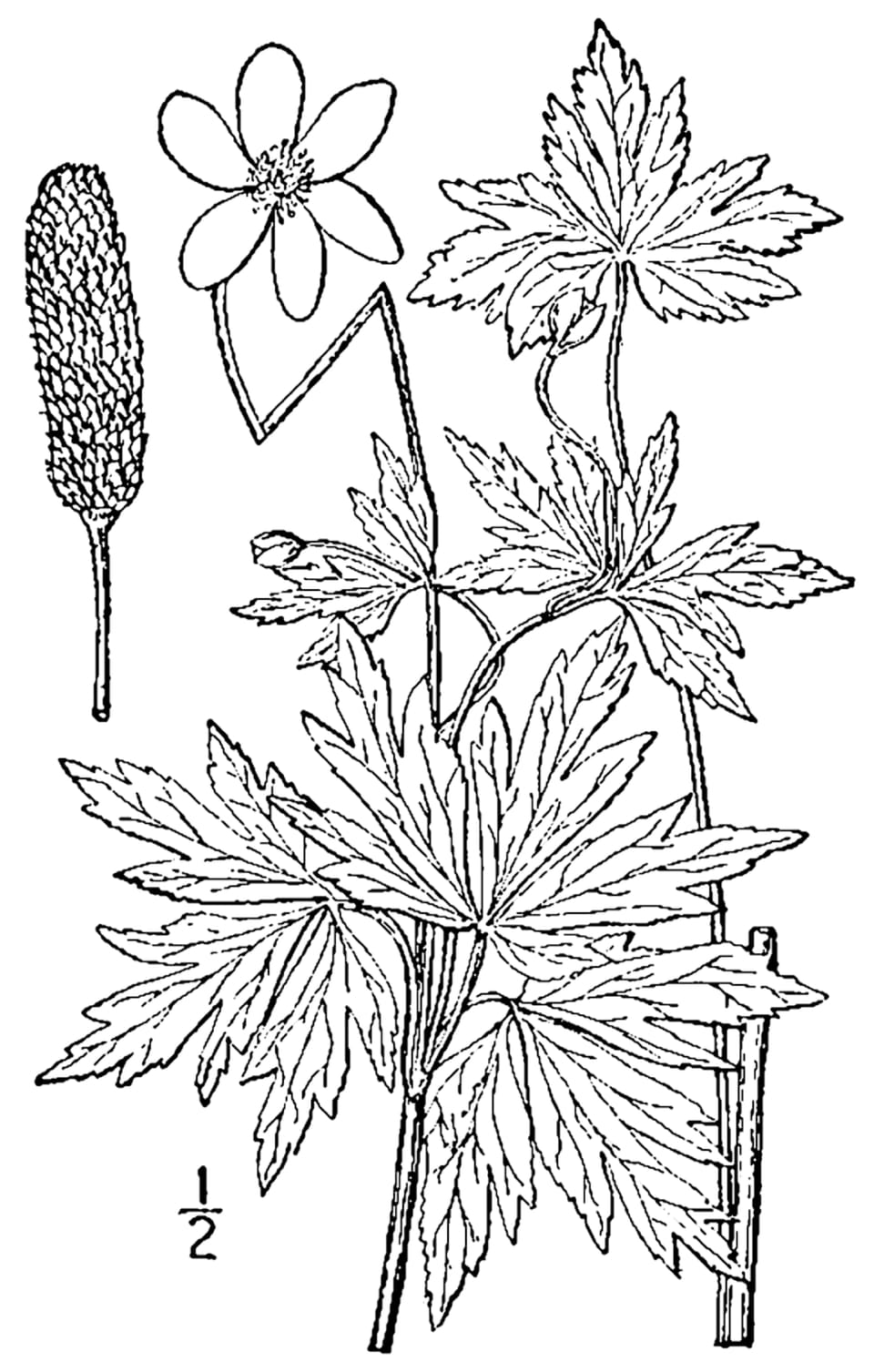
Flower infiniteuniverse CC0 Illustration Britton, N.L., and A. Brown. 1913. An illustrated flora of the northern United States, Canada and the British Possessions. 3 vols. Charles Scribner's Sons, New York. Vol. 2: 99. Courtesy of Kentucky Native Plant Society. Scanned by Omnitek Inc. Public domain About the plant What it is and where it grows — not part of any germination protocol.
Habit perennial Plants of the World Online
Habit Perennial, Forb/herb PLANTS Database
Flower Green, whitish Flora of North America
Native range Canada, lower 48 states PLANTS Database Toxicity is noted only where a source states it. No note here is not a finding of safety.
Sources: Plants of the World Online — Royal Botanic Gardens, Kew; PLANTS Database — USDA NRCS; Flora of North America — Flora of North America Editorial Committee.
This source reports two treatments. Both are shown.
Protocol 1 N. C. Deno, 1993 Difficulty Moderate Rated by us, not by the source.
Start around July 10, 2027 for a May 3 last frost. Too late for spring 2027 — that needed starting on July 9, 2026.
1 Dry storage
Duration: 180 days · Temperature: 70°F 21°C
2 Cold moist stratification
Duration: 90 days · Temperature: 40°F 4°C
3 Warm moist stratification
Duration: 90 days · Temperature: 70°F 21°C
20 germinated in this phase.
Steps after step 2 run on after germination.
about 6 months from start to step 2. Germination happens during step 2, in 90 days.
78% germination in 90 days.
Seed Germination Theory and Practice, 2nd ed. — N. C. Deno, 1993 · Ch. 20, Anemone p. 94Public domain Show the original text Anemone (Ranunculaceae). This genus divides into two groups. The .first group are early spring bloomers with hairless seed coats, multicycle germination patterns, and intolerance of OS. The second group are taller and bloom in summer and fall, the seed is embedded in cotton in a spherical cluster, and germination is largely D-70 with curious differences between DS seed and fresh seed. A. cylindrica seed must be DS 6 m at either 70 or 40 after which germination is 100% over 3 m when sown at 70. If fresh seed is sown at 70, germination is zero. Curiously the difference between DS and fresh seed is not so great when the seed is sown at 40. The patterns were 40(78% over 3 m)-70(20% over one rn) for DS seed and 40-70(76% over 3 m) for fresh seed. Seed Germination Theory and Practice, 2nd ed., Ch. 20, Anemone p. 94. Quoted exactly. Every value on this card comes from this record, except the difficulty rating, which is ours; the step names come from a fixed list. Protocol 2 N. C. Deno, 1993 Difficulty Moderate Rated by us, not by the source.
Start around October 8, 2027 for a May 3 last frost. Too late for spring 2027 — that needed starting on October 7, 2026.
1 Cold moist stratification
Duration: 90 days · Temperature: 40°F 4°C
2 Warm moist stratification
Duration: 90 days · Temperature: 70°F 21°C
about 3 months from start to step 2. Germination happens during step 2, in 90 days.
76% germination in 90 days.
Seed Germination Theory and Practice, 2nd ed. — N. C. Deno, 1993 · Ch. 20, Anemone p. 94Public domain Show the original text Anemone (Ranunculaceae). This genus divides into two groups. The .first group are early spring bloomers with hairless seed coats, multicycle germination patterns, and intolerance of OS. The second group are taller and bloom in summer and fall, the seed is embedded in cotton in a spherical cluster, and germination is largely D-70 with curious differences between DS seed and fresh seed. A. cylindrica seed must be DS 6 m at either 70 or 40 after which germination is 100% over 3 m when sown at 70. If fresh seed is sown at 70, germination is zero. Curiously the difference between DS and fresh seed is not so great when the seed is sown at 40. The patterns were 40(78% over 3 m)-70(20% over one rn) for DS seed and 40-70(76% over 3 m) for fresh seed. Seed Germination Theory and Practice, 2nd ed., Ch. 20, Anemone p. 94. Quoted exactly. Every value on this card comes from this record, except the difficulty rating, which is ours; the step names come from a fixed list. How each step is done , in Deno’s words, and what Verified and Derived mean.
Germination trials Readers’ own records of sowing this species, published after review. Share your trial · All trials
No trials shared for this species yet.