Carex stricta
Upright Sedge · Uptight Sedge · Common Tussock Sedge
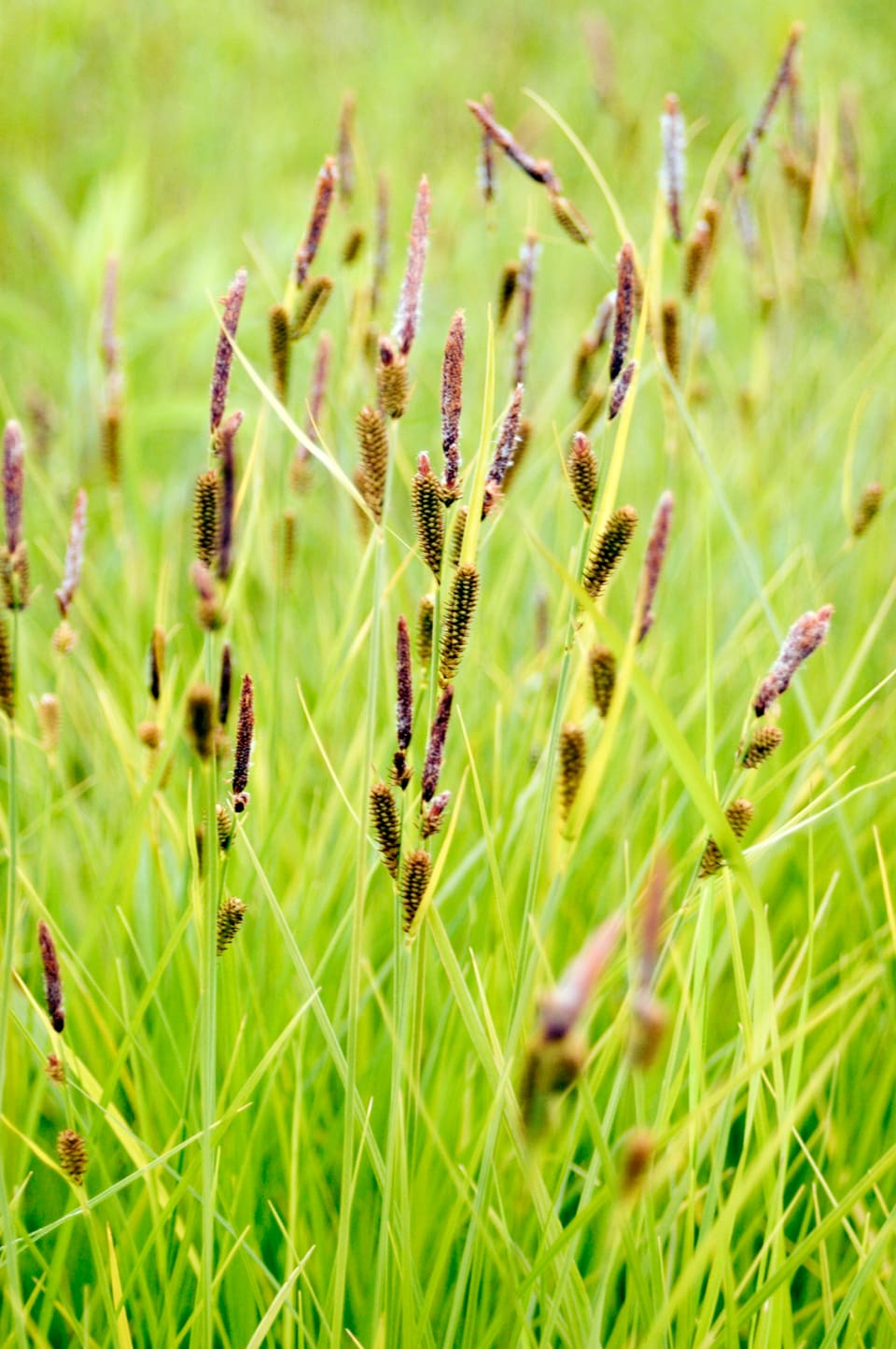

About the plant
What it is and where it grows — not part of any germination protocol.
The plant
- Habit
- perennial or rhizomatous geophytePlants of the World Online
- Habit
- Perennial, GraminoidPLANTS Database
- Height
- 4.2 ft1.3 mPLANTS Database
- Flower
- GreenPLANTS Database
- Blooms
- SpringPLANTS Database
- Native range
- Canada, lower 48 statesPLANTS Database
Growing conditions
- Sun
- Shade tolerance: LowPLANTS Database
- Soil
- Adapted to coarse, medium, fine textured soilsPLANTS Database
- Soil pH
- 3.5-7.0PLANTS Database
- Moisture
- Moisture use: MediumPLANTS Database
- Watering
- Drought tolerance: LowPLANTS Database
Toxicity is noted only where a source states it. No note here is not a finding of safety.
Sources: Plants of the World Online — Royal Botanic Gardens, Kew; PLANTS Database — USDA NRCS.
Worth knowing
- Tussock sedge is one of the most common wetland sedges in eastern North America. As its leaves die they build up on and around the living plant, forming a tussock. Its seeds are eaten by birds such as juncos, cardinals, wild turkeys and ducks. Wikipedia: Carex stricta
Protocol
DerivedN. C. Deno, 1996Difficulty Low
Dry storage
Duration: 180 daysTemperature: 70°F 21°C
Sow and cover
Temperature: 70°F 21°C Light: light
about 6 months from start to sowing. Then 26 days to germinate.
100% germination in 16–26 days.
How each step is done, in Deno’s words, and what Verified and Derived mean.
Germination trials
Readers’ own records of sowing this species, published after review. Share your trial · All trials
No trials shared for this species yet.