Clematis crispa
Swamp Leather Flower · Blue-jasmine · Curly Clematis

About the plant
What it is and where it grows — not part of any germination protocol.
The plant
- Habit
- Ground Cover, Herbaceous Perennial, Perennial, VineExtension Gardener Plant Toolbox
- Habit
- climbing shrubPlants of the World Online
- Height
- 6-10 ft1.8-3 mExtension Gardener Plant Toolbox
- Spread
- 3-6 ft0.9-1.8 mExtension Gardener Plant Toolbox
- Flower
- Blue, Pink, Purple/Lavender, WhiteExtension Gardener Plant Toolbox
- Blooms
- Spring, SummerExtension Gardener Plant Toolbox
- Native range
- Native to the lower 48 statesPLANTS Database
- Hardiness zones
- 6-9Extension Gardener Plant Toolbox
Growing conditions
- Sun
- Full sun; Partial ShadeExtension Gardener Plant Toolbox
- Soil
- Clay, High Organic Matter, Loam (Silt), SandExtension Gardener Plant Toolbox
- Soil pH
- Acid (<6.0)Extension Gardener Plant Toolbox
- Moisture
- Good Drainage, Moist, Occasionally WetExtension Gardener Plant Toolbox
Toxicity is noted only where a source states it. No note here is not a finding of safety.
Sources: Extension Gardener Plant Toolbox — NC State Extension; Plants of the World Online — Royal Botanic Gardens, Kew; PLANTS Database — USDA NRCS.
Worth knowing
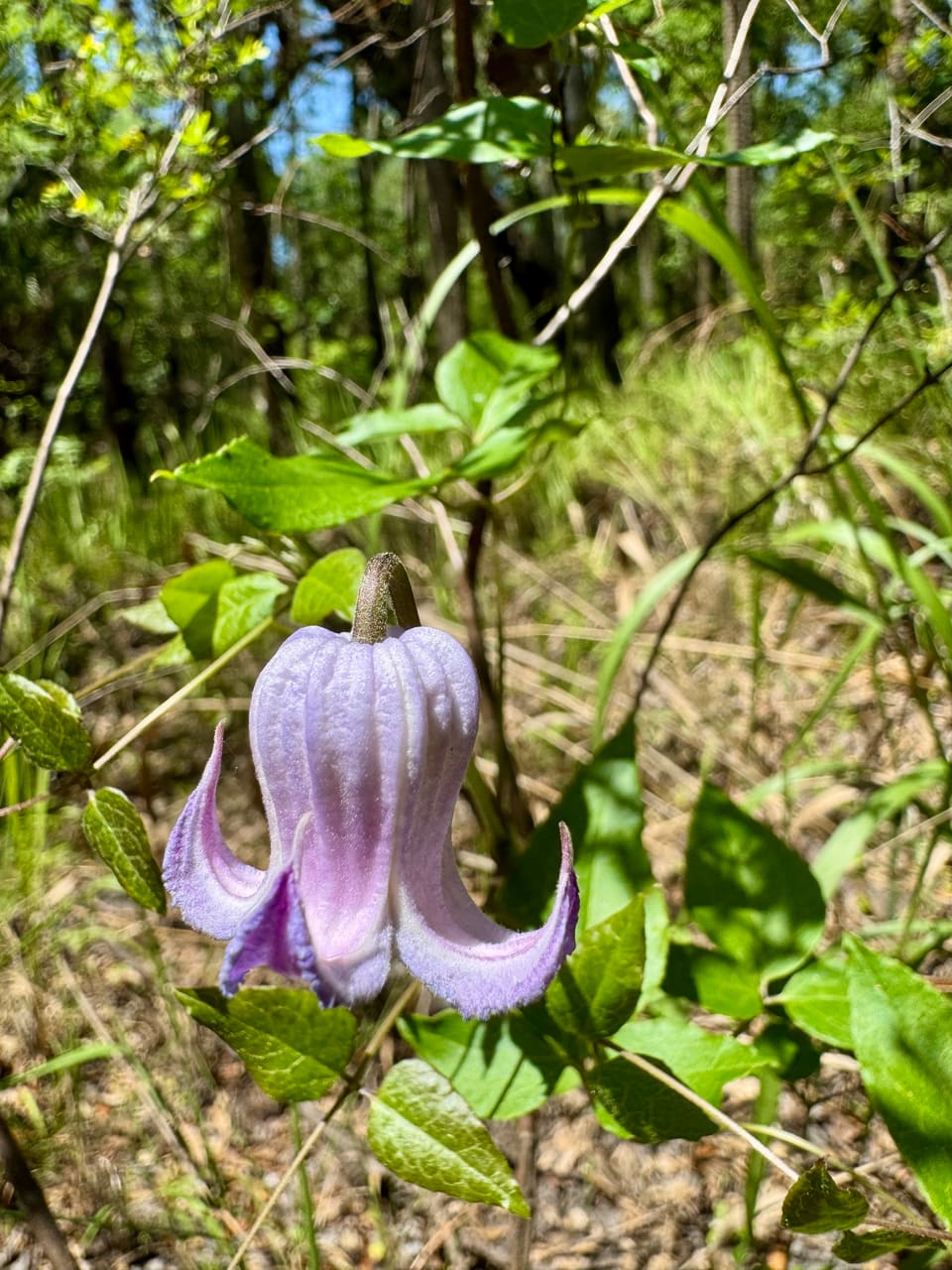
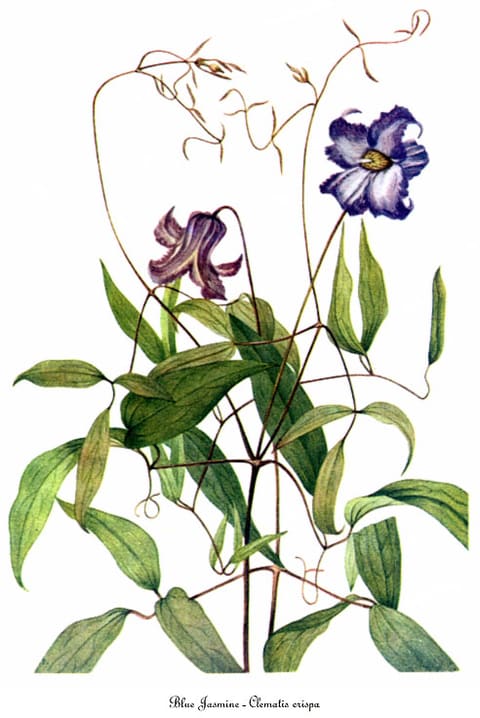
- The flowers have no petals. Their sepals join into an urn that hangs upside down, with wavy, crimped tips curling back. Lady Bird Johnson Wildflower Center: Clematis crispa
Protocol
DerivedN. C. Deno, 1993Difficulty Moderate
Cold moist stratification
Temperature: 40°F 4°C
Germination happens during step 1; time not stated, 21 days assumed.
50% germination.
How each step is done, in Deno’s words, and what Verified and Derived mean.
Germination trials
Readers’ own records of sowing this species, published after review. Share your trial · All trials
No trials shared for this species yet.