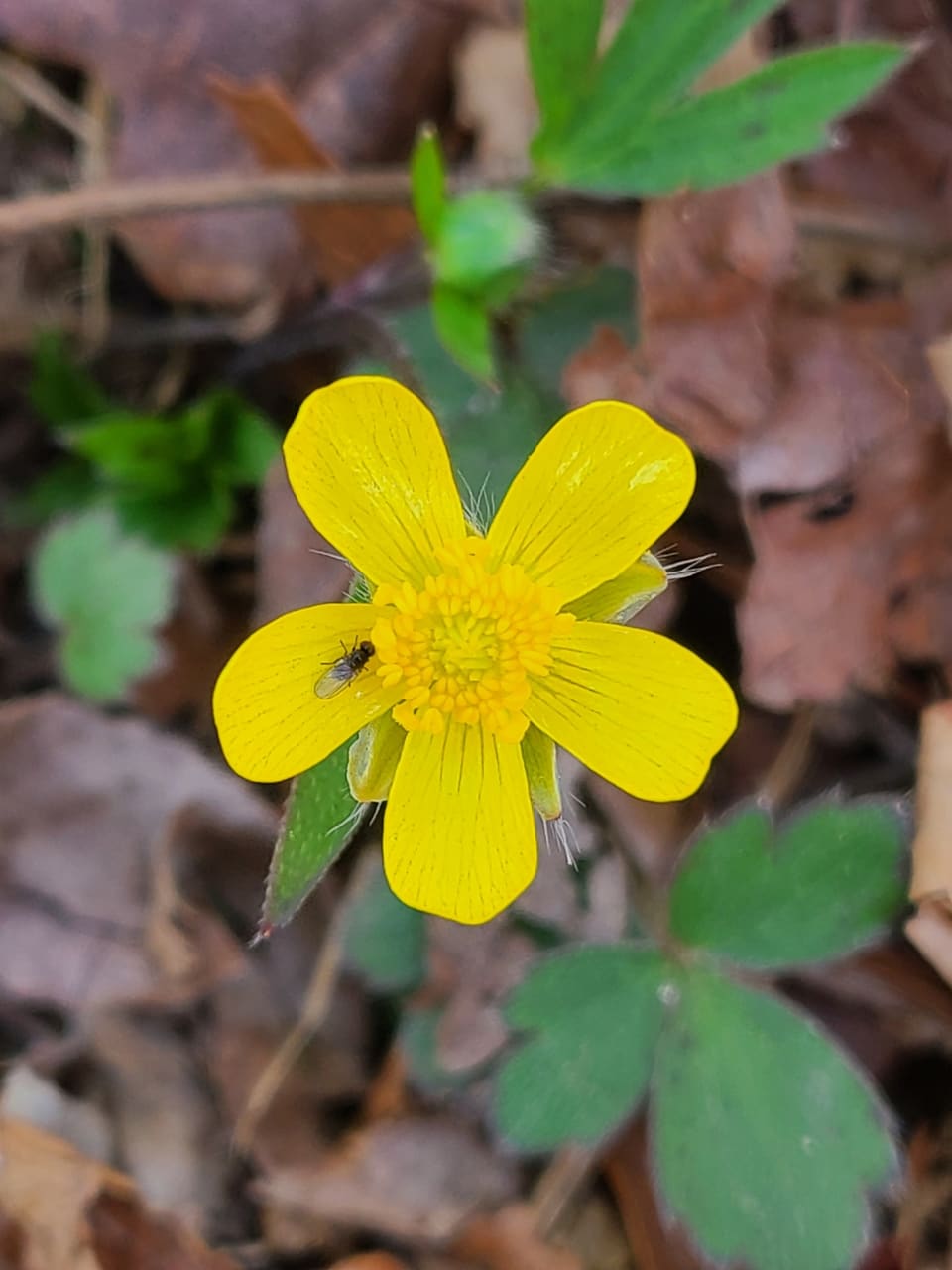
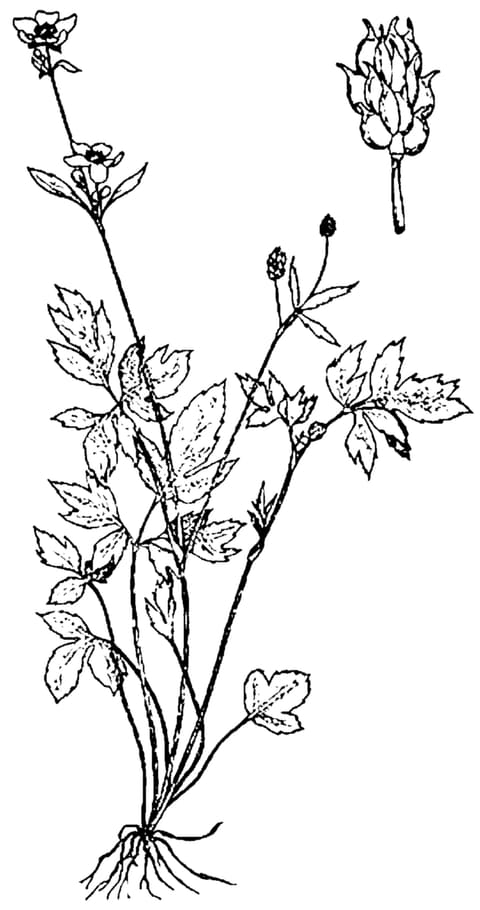
Ranunculus hispidus
Bristly Buttercup · Rough Buttercup · Hispid Buttercup
Also published as Ranunculus hispidulus. You are in the right place.

About the plant
What it is and where it grows — not part of any germination protocol.
Safety
- Toxicity
- Poisonous to cattle, goats, horses. All parts. Protoanemonin. Stated for Ranunculus spp.Plants Poisonous to Livestock
The plant
- Habit
- perennialPlants of the World Online
- Habit
- Perennial, Forb/herbPLANTS Database
- Height
- 2.5 ft75 cmPLANTS Database
- Flower
- YellowPLANTS Database
- Blooms
- Early SpringPLANTS Database
- Native range
- Canada, lower 48 statesPLANTS Database
- Note
- Six months of dry storage at 70 or 40 killed the seed. Sow it fresh.Seed Germination Theory and Practice, 2nd ed.
Growing conditions
- Sun
- Shade tolerance: LowPLANTS Database
- Soil
- Adapted to medium, fine textured soilsPLANTS Database
- Soil pH
- 4.5-8.0PLANTS Database
- Moisture
- Moisture use: MediumPLANTS Database
- Watering
- Drought tolerance: LowPLANTS Database
Toxicity is noted only where a source states it. No note here is not a finding of safety.
Sources: Plants of the World Online — Royal Botanic Gardens, Kew; PLANTS Database — USDA NRCS; Plants Poisonous to Livestock — Cornell University Department of Animal Science; Seed Germination Theory and Practice, 2nd ed. — N. C. Deno.
Worth knowing
- Ranunculus is Latin for "little frog", after the liking many buttercups have for wet places, and hispidus means "densely hairy". Turkeys, grouse and small rodents eat the seeds of bristly buttercup. Wikipedia: Ranunculus hispidus
This source reports three treatments. All are shown.
Protocol 1
DerivedN. C. Deno, 1993Difficulty High
Start around June 19, 2027 for a May 3 last frost. Too late for spring 2027 — that needed starting on June 18, 2026.
Warm moist stratification
Duration: 90 daysTemperature: 70°F 21°C
10% here. Deno gives no length for this period; three months is his standard cycle.
Cold moist stratification
Duration: 90 daysTemperature: 40°F 4°C
A further 22%. Deno gives no length for this period; three months is his standard cycle.
Warm moist stratification
Duration: 90 daysTemperature: 70°F 21°C
Deno gives no length for this period; three months is his standard cycle.
Cold moist stratification
Temperature: 40°F 4°C
A further 27%.
about 9 months from start to step 4. Germination happens during step 4; time not stated, 21 days assumed.
27% germination.
10, 22 and 27 per cent across four cycles -- about three fifths, over a year.
Protocol 2
DerivedN. C. Deno, 1993Difficulty High
Start around June 19, 2027 for a May 3 last frost. Too late for spring 2027 — that needed starting on June 18, 2026.
Cold moist stratification
Duration: 90 daysTemperature: 40°F 4°C
2% here. Deno gives no length for this period; three months is his standard cycle.
Warm moist stratification
Duration: 90 daysTemperature: 70°F 21°C
A further 2%. Deno gives no length for this period; three months is his standard cycle.
Cold moist stratification
Duration: 90 daysTemperature: 40°F 4°C
A further 11%. Deno gives no length for this period; three months is his standard cycle.
Warm moist stratification
Temperature: 70°F 21°C
A further 16%.
about 9 months from start to step 4. Germination happens during step 4; time not stated, 21 days assumed.
16% germination.
Starting cold is slower off the mark: 2, 2, 11 and 16 per cent.
Protocol 3
DerivedN. C. Deno, 1993Dry storage
Duration: 180 days
Dead after six months, at 70 or 40.
Sow and cover
Temperature: 70°F 21°C
about 6 months from start to sowing.
0% germination.
Six months dry, at 70 or at 40, and the seed was simply dead. Sow it fresh.
How each step is done, in Deno’s words, and what Verified and Derived mean.
Germination trials
Readers’ own records of sowing this species, published after review. Share your trial · All trials
No trials shared for this species yet.