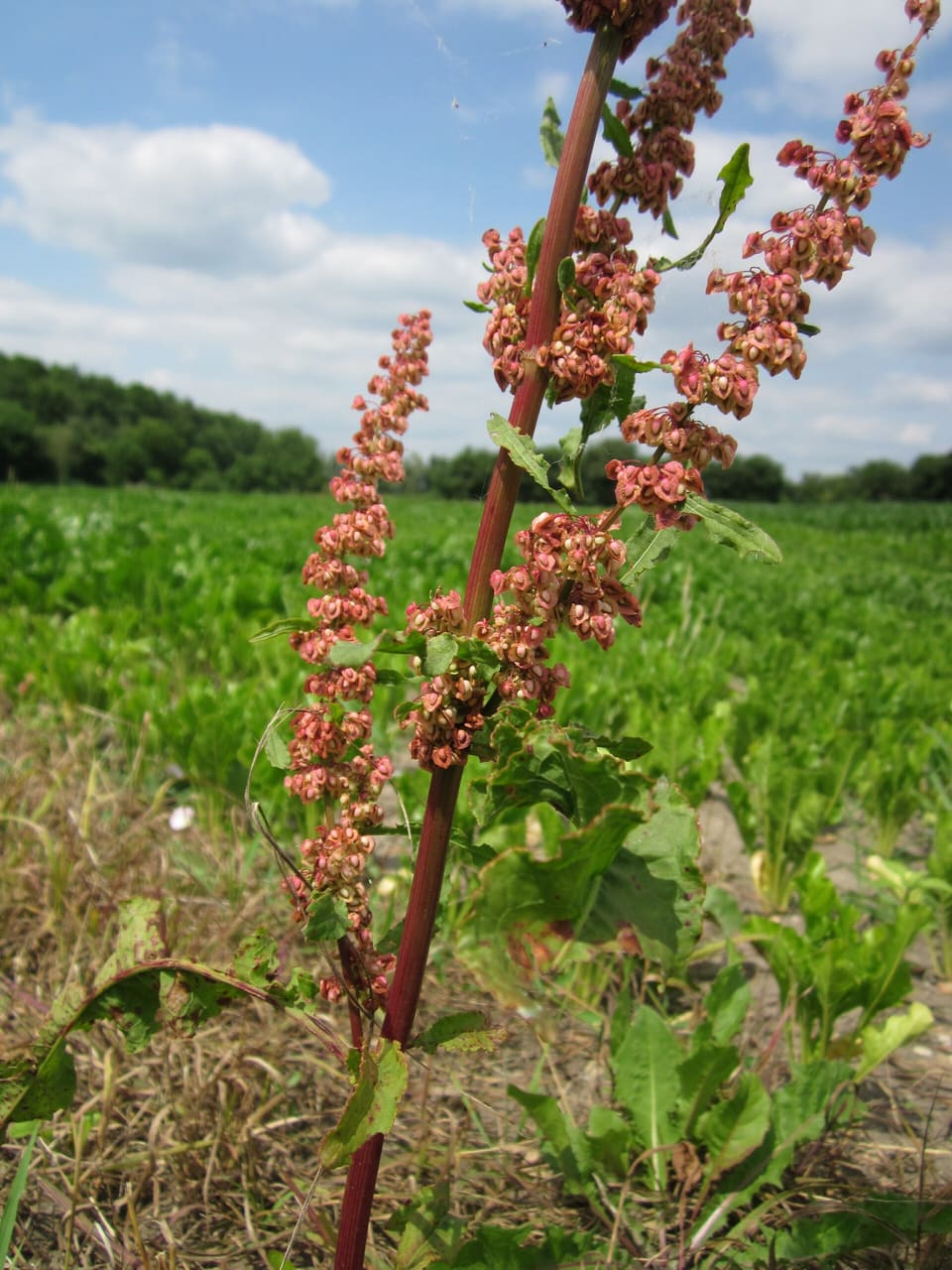
Rumex crispus
Curled Dock · Curly Dock · Narrowleaf Dock

About the plant
What it is and where it grows — not part of any germination protocol.
The plant
- Habit
- PerennialExtension Gardener Plant Toolbox
- Habit
- annual or perennialPlants of the World Online
- Flower
- Brown/Copper, Gold/Yellow, GreenExtension Gardener Plant Toolbox
- Blooms
- SummerExtension Gardener Plant Toolbox
- Native range
- Afghanistan, Albania, Algeria, Altay, Austria, Azores and elsewhereGBIF Backbone Taxonomy
- Hardiness zones
- 4-8Extension Gardener Plant Toolbox
Growing conditions
- Sun
- Full sun; Partial ShadeExtension Gardener Plant Toolbox
- Soil
- Clay, Loam (Silt), Sand, Shallow RockyExtension Gardener Plant Toolbox
- Moisture
- Moist, Occasional Flooding, Occasionally DryExtension Gardener Plant Toolbox
Toxicity is noted only where a source states it. No note here is not a finding of safety.
Sources: Extension Gardener Plant Toolbox — NC State Extension; Plants of the World Online — Royal Botanic Gardens, Kew; GBIF Backbone Taxonomy — Global Biodiversity Information Facility.
Worth knowing
- Its leaves have waved or curled edges. It grows on waste ground, roadsides and field edges, and is a serious invasive species in many places, including North America. Wikipedia: Rumex crispus
Two sources report three treatments between them. All are shown.
Protocol 1
DerivedN. C. Deno, 1998Difficulty Low
Start around March 22, 2027 for a May 3 last frost.
Sow and cover
Temperature: 70°F 21°C Light: light
No stated waiting before sowing. Then 14 days to germinate.
100% germination in 14 days.
Protocol 2
DerivedN. C. Deno, 1996Difficulty Very high
Start around July 19, 2027 for a May 3 last frost. Too late for spring 2027 — that needed starting on July 18, 2026.
Dry storage
Duration: 240 daysTemperature: 70°F 21°C
Gibberellic acid soak
Sow and cover
Temperature: 70°F 21°C
about 8 months from start to sowing. Germination time not stated; 21 days assumed.
2% germination.
Protocol 3
DerivedN. C. Deno, 1996Difficulty Very high
Start around July 19, 2027 for a May 3 last frost. Too late for spring 2027 — that needed starting on July 18, 2026.
Dry storage
Duration: 240 daysTemperature: 70°F 21°C
Sow and cover
Temperature: 70°F 21°C Light: dark
about 8 months from start to sowing. Germination time not stated; 21 days assumed.
1% germination.
How each step is done, in Deno’s words, and what Verified and Derived mean.
Germination trials
Readers’ own records of sowing this species, published after review. Share your trial · All trials
No trials shared for this species yet.