Campanula medium
Canterbury Bellflower · Canterbury Bells · Canterbury-bell
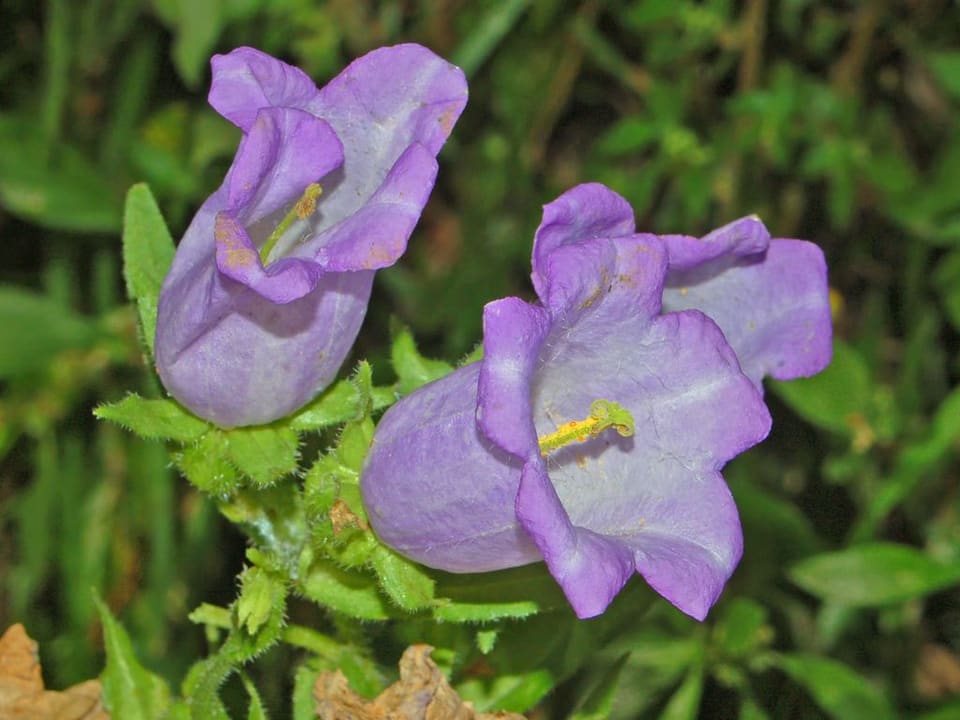

About the plant
What it is and where it grows — not part of any germination protocol.
The plant
- Habit
- Herbaceous PerennialExtension Gardener Plant Toolbox
- Habit
- biennialPlants of the World Online
- Height
- 1-3 ft30-90 cmExtension Gardener Plant Toolbox
- Spread
- 1-2 ft30-60 cmExtension Gardener Plant Toolbox
- Flower
- Blue, Pink, Purple/Lavender, WhiteExtension Gardener Plant Toolbox
- Blooms
- SummerExtension Gardener Plant Toolbox
- Native range
- France, ItalyGBIF Backbone Taxonomy
- Hardiness zones
- 3-9Extension Gardener Plant Toolbox
Growing conditions
- Sun
- Dappled Sunlight; Full sun; Partial ShadeExtension Gardener Plant Toolbox
- Soil
- High Organic Matter, Loam (Silt), SandExtension Gardener Plant Toolbox
- Soil pH
- Acid (<6.0), Neutral (6.0-8.0)Extension Gardener Plant Toolbox
- Moisture
- Good Drainage, MoistExtension Gardener Plant Toolbox
Toxicity is noted only where a source states it. No note here is not a finding of safety.
Sources: Extension Gardener Plant Toolbox — NC State Extension; Plants of the World Online — Royal Botanic Gardens, Kew; GBIF Backbone Taxonomy — Global Biodiversity Information Facility.
Worth knowing
- Canterbury bells, said to be named for the bells of Canterbury Cathedral and those worn by pilgrims. It is the national flower of Monaco. Wikipedia: Campanula medium
This source reports two treatments. Both are shown.
Protocol 1
DerivedN. C. Deno, 1993Difficulty Moderate
Start around December 30, 2026 for a May 3 last frost.
Cold moist stratification
Duration: 90 daysTemperature: 40°F 4°C
Warm moist stratification
Duration: 90 daysTemperature: 70°F 21°C Light: light
about 3 months from start to step 2. Germination happens during step 2, in 6 days.
90% germination in 6 days.
Protocol 2
DerivedN. C. Deno, 1993Difficulty Moderate
Start around March 15, 2027 for a May 3 last frost.
Sow and cover
Temperature: 70°F 21°C Light: light
No stated waiting before sowing. Then 21 days to germinate.
50% germination in 7–21 days.
How each step is done, in Deno’s words, and what Verified and Derived mean.
Germination trials
Readers’ own records of sowing this species, published after review. Share your trial · All trials
No trials shared for this species yet.